
Is Your Building 40+? : Aging Sanitary Stacks and the Case for Non-Invasive Pipe Renewal
High-rise buildings in the GTA are aging — and so is the infrastructure behind their walls. Sanitary stacks installed in concrete and masonry construction from the 1970s through the 1990s were built to last decades, and they have. But decades have a way of catching up.
For many property managers and condo boards, the sanitary stack is out of sight and out of mind — until it isn’t.
What Happens to a Sanitary Stack Over Time
A sanitary stack is the vertical drain pipe that runs the full height of a building, collecting wastewater from every floor’s plumbing fixtures and directing it to the building’s main sewer lateral. In a 20-storey residential tower, one stack may serve hundreds of fixture connections over its lifetime.
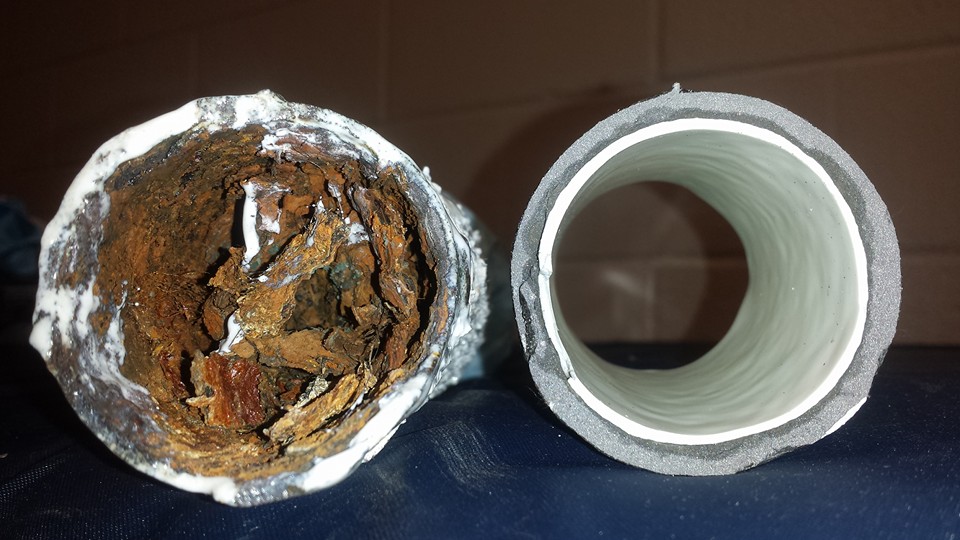
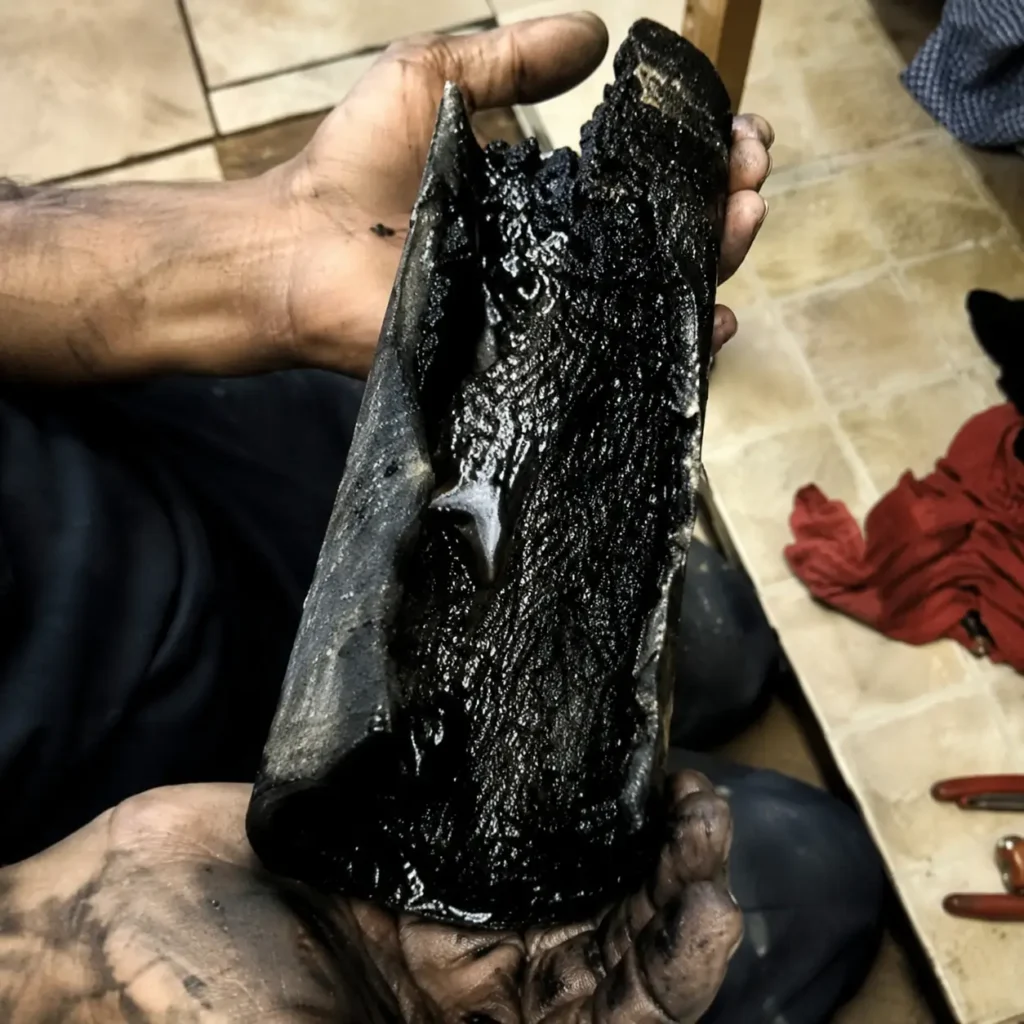
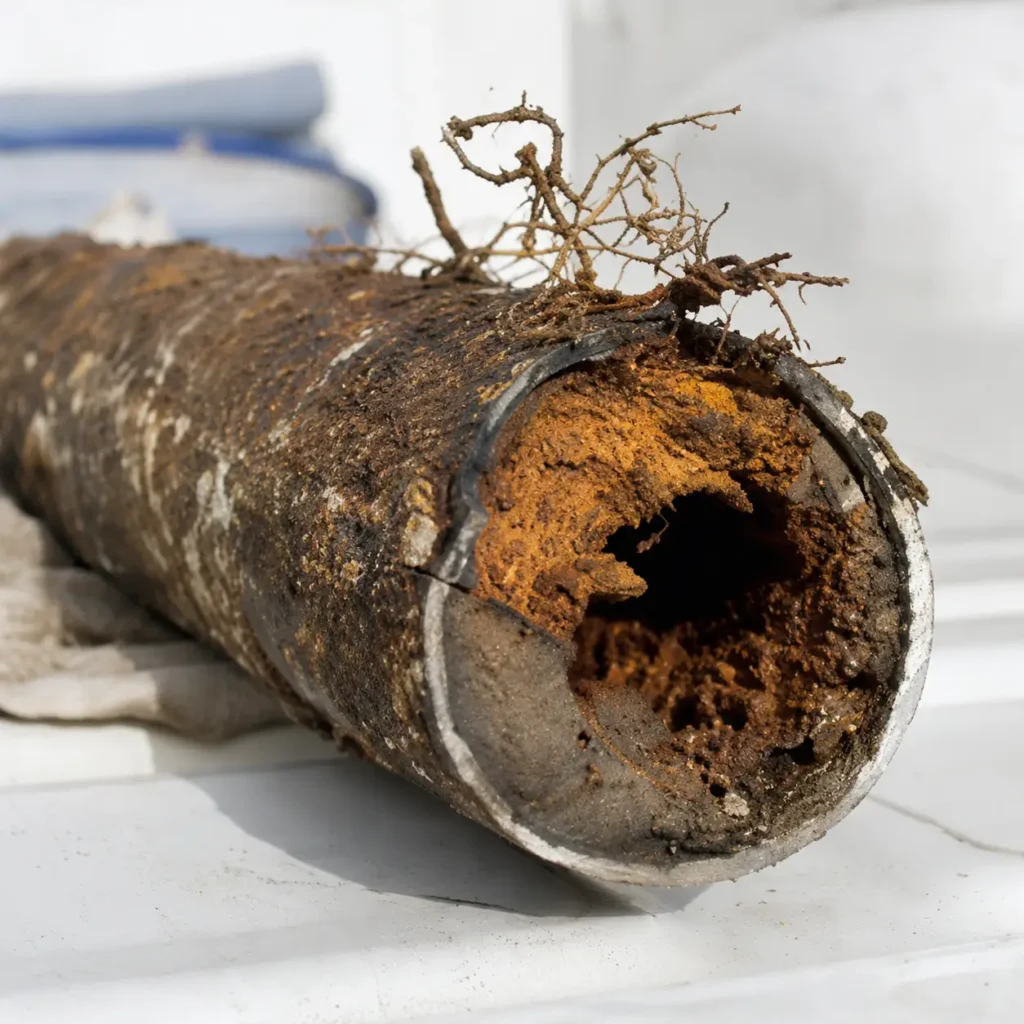
Cast iron — the standard material in buildings constructed before the mid-1980s — is durable, but not immune to time. Over decades of use, the interior surface of cast iron pipe undergoes a slow transformation:
- Corrosion eats into pipe walls from the inside out, driven by hydrogen sulfide gases produced by organic waste
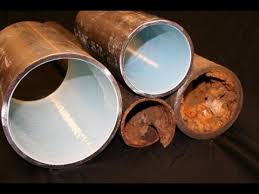
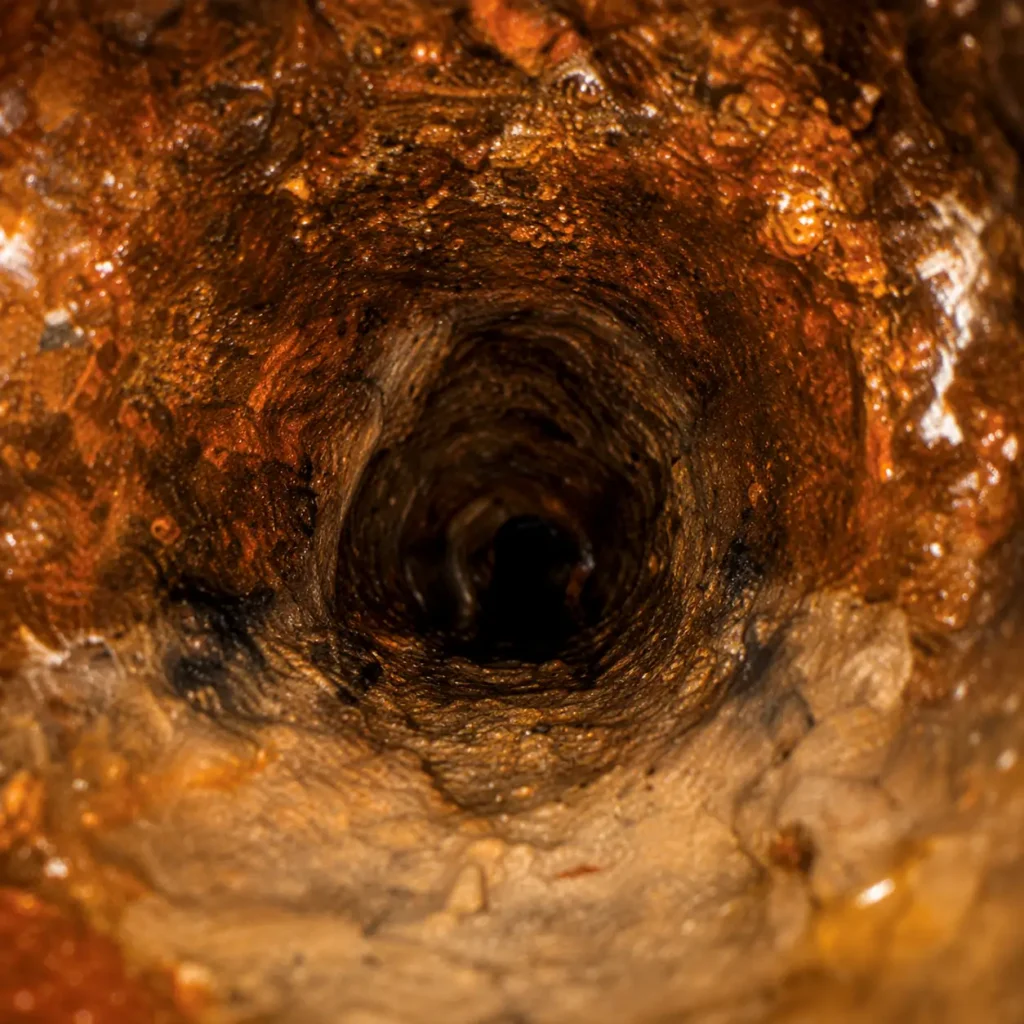
- Scale and tuberculation build up along the pipe wall, progressively narrowing the effective flow diameter
- Joint degradation develops at the connections between pipe sections, creating leak paths that are often undetected until water damage appears in a finished space
- Root intrusion and settling can occur in older buildings where pipes pass through structural elements
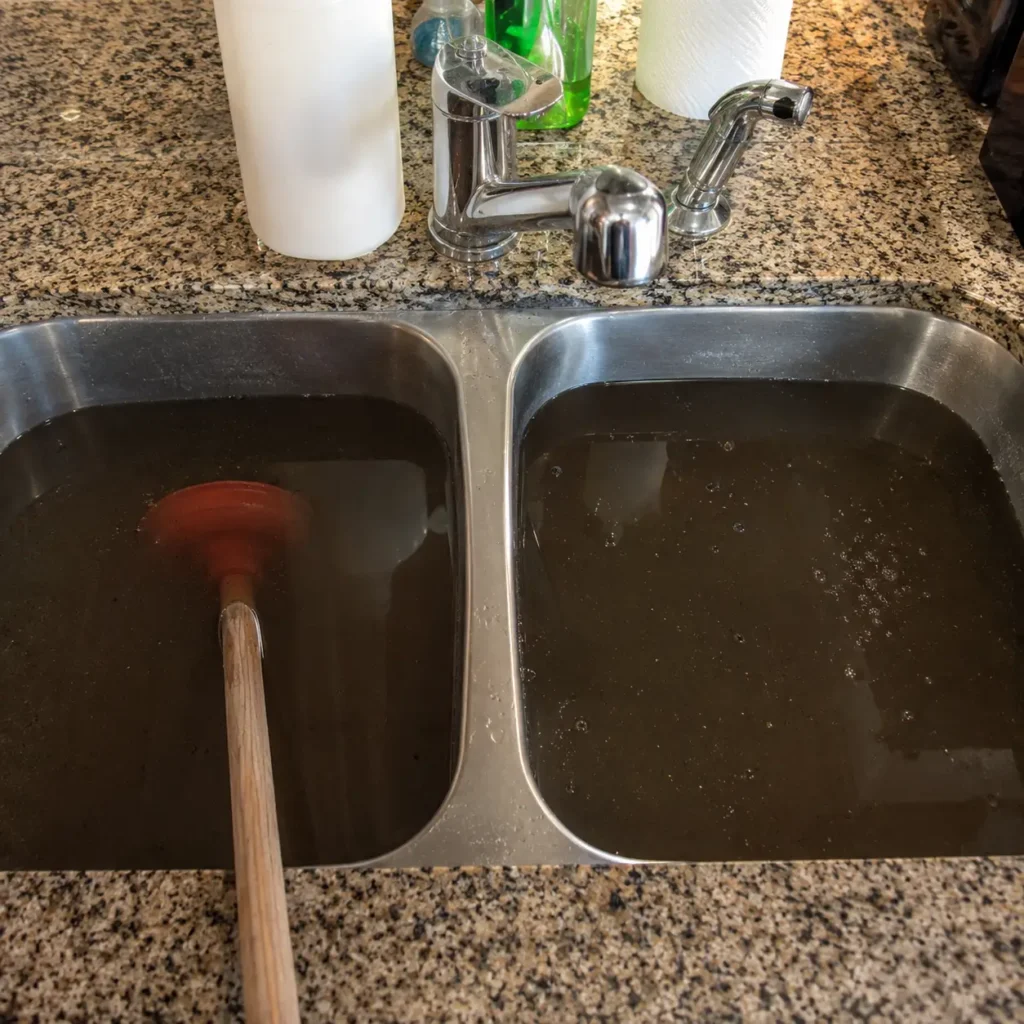
The result is a pipe system that looks intact from the outside — no visible leak, no obvious failure — but is functionally compromised and increasingly at risk.
Internal Wall Deterioration is Inevitable.
The Traditional Response — and Its Limits
Until recently, a building with a deteriorated sanitary stack had one option: replace it. That meant opening walls floor by floor, cutting out sections of cast iron, installing new pipe, and patching everything back.
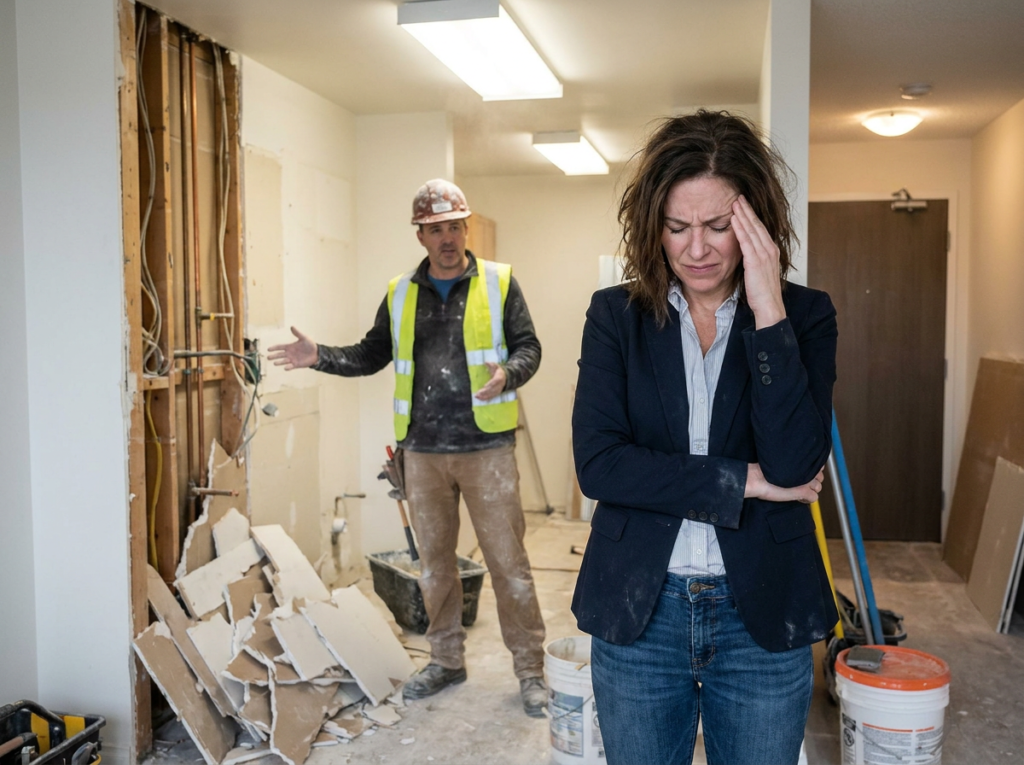
In an occupied residential building, that process is disruptive in ways that go beyond cost. It means suite entry on multiple floors, temporary service interruptions, demolition noise and dust, and weeks of coordination between tradespeople, management, and residents. In a 200-unit high-rise, stack replacement is a project that affects everyone — and the disruption is hard to manage well.
It is also expensive. Material, labour, structural patching, and temporary accommodation costs add up quickly in a high-rise context.
Backsplash, Walls, Counter Tops......all need to go..

A Different Approach: Non-Invasive Pipe Renewal
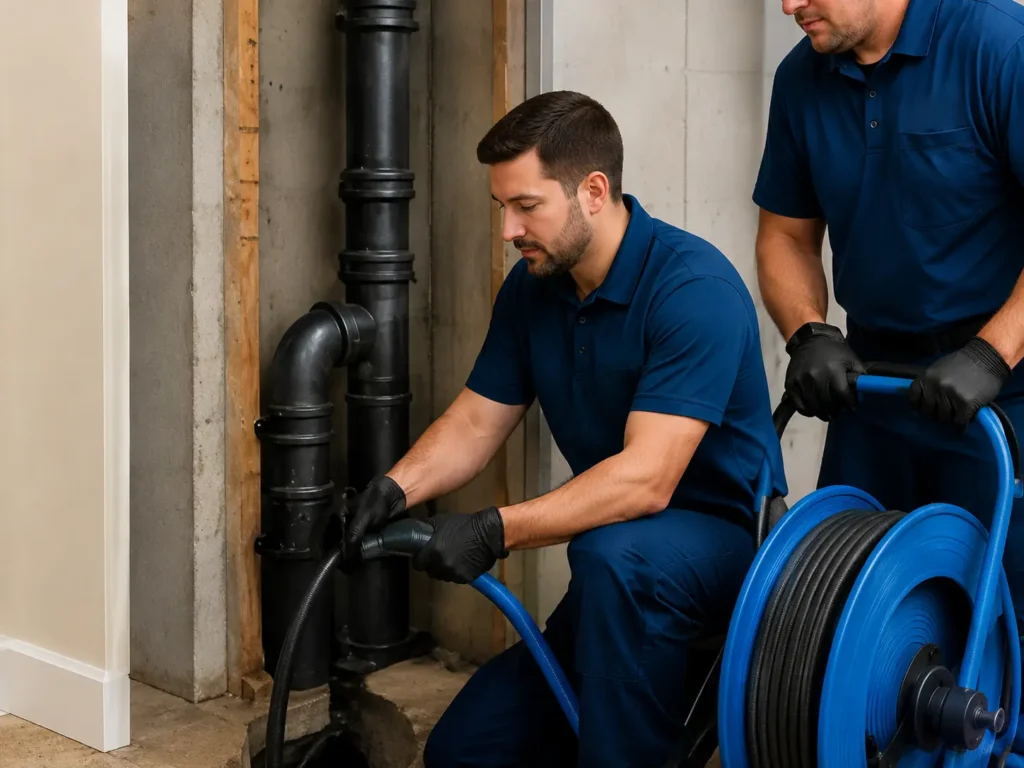
Non-invasive pipe renewal — specifically, cured-in-place pipe (CIPP) lining — solves the same problem through a fundamentally different method. Rather than removing the deteriorated pipe, the process rehabilitates it from the inside.
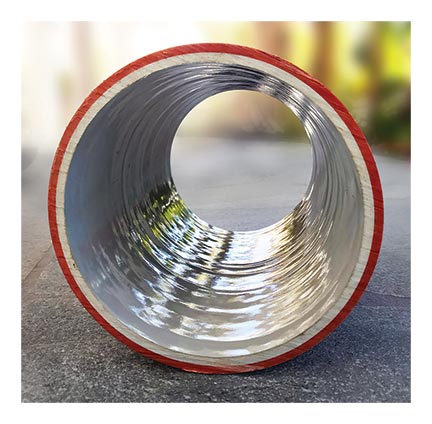
A flexible liner saturated with structural resin is introduced into the existing pipe through a cleanout access point. The liner is pressed against the interior pipe wall and cured in place — either thermally or with UV light — forming a new, jointless pipe within the old one. The result is a fully structural liner that seals cracks, bridges joint gaps, resists corrosion, and restores flow capacity.
For a property manager, the practical difference is significant:
- No wall openings beyond the access point already in place or minimally installed
- No disruption to residents — work is sequenced and contained
- No suite entry for the rehabilitation itself
- Shorter project timeline compared to open replacement
- Extended service life — a properly installed CIPP liner adds 50+ years of functional life to the rehabilitated section
The Right Time to Act
The worst moment to address a deteriorated sanitary stack is after a failure. Emergency repairs in an occupied building cost more, cause more disruption, and leave less room for the controlled, sequenced approach that non-invasive renewal requires.
The right time is during a scheduled maintenance cycle — when a camera inspection has confirmed deterioration is progressing, before a backup or leak forces the issue.
If your building’s sanitary stacks are approaching or past the 30-year mark, a CCTV inspection is the logical first step. It takes the guesswork out of the decision and gives you a clear picture of what you’re working with.
Aquazen Services provides pipe inspections and non-invasive pipe renewal for high-rise residential and commercial buildings across the Greater Toronto Area. Contact us to schedule a camera inspection.